
The Environment & Sustainability
DSM is on a journey to eliminate or minimise all adverse environmental impacts associated with our works and wherever possible produce long term improvement to the environment in which we work.
Sustainability Pathway
We plan, undertake and monitor our performance in each of the four areas covered by the Pillars of Sustainability we have adopted.
Sustainable Practices
Increase the focus on the use of sustainable practices, resources, and materials
Modern Equipment
Continuous investment into modern plant, equipment, and attachments to provide improvements in efficiency
Innovation
Adopting technological advancement and methods of working within our work sectors
Reducing our carbon footprint through innovative fuel solutions and efficiency improvements
DSM’s core work areas unavoidably involve using high energy density fuels. In order to reduce the environmental impact, fossil fuels are currently being replaced with HVO fuels that only have a fraction of the in-scope carbon dioxide emissions.
Carbon Reduction Target
Annual reduction goal: 5% CO₂e
Carbon neutral by 2050 at the latest
Initial Action
- •Plant, equipment and vehicle replacement programme to introduce more fuel-efficient units
- •Replacement vehicles include full electric and plug-in hybrid vehicles
- •Elimination of travel to meetings where possible, using Teams and other online systems
Secondary Action
- •Direct reduction of carbon footprint wherever possible
- •Carbon offset strategy including tree planting in areas close to work sites
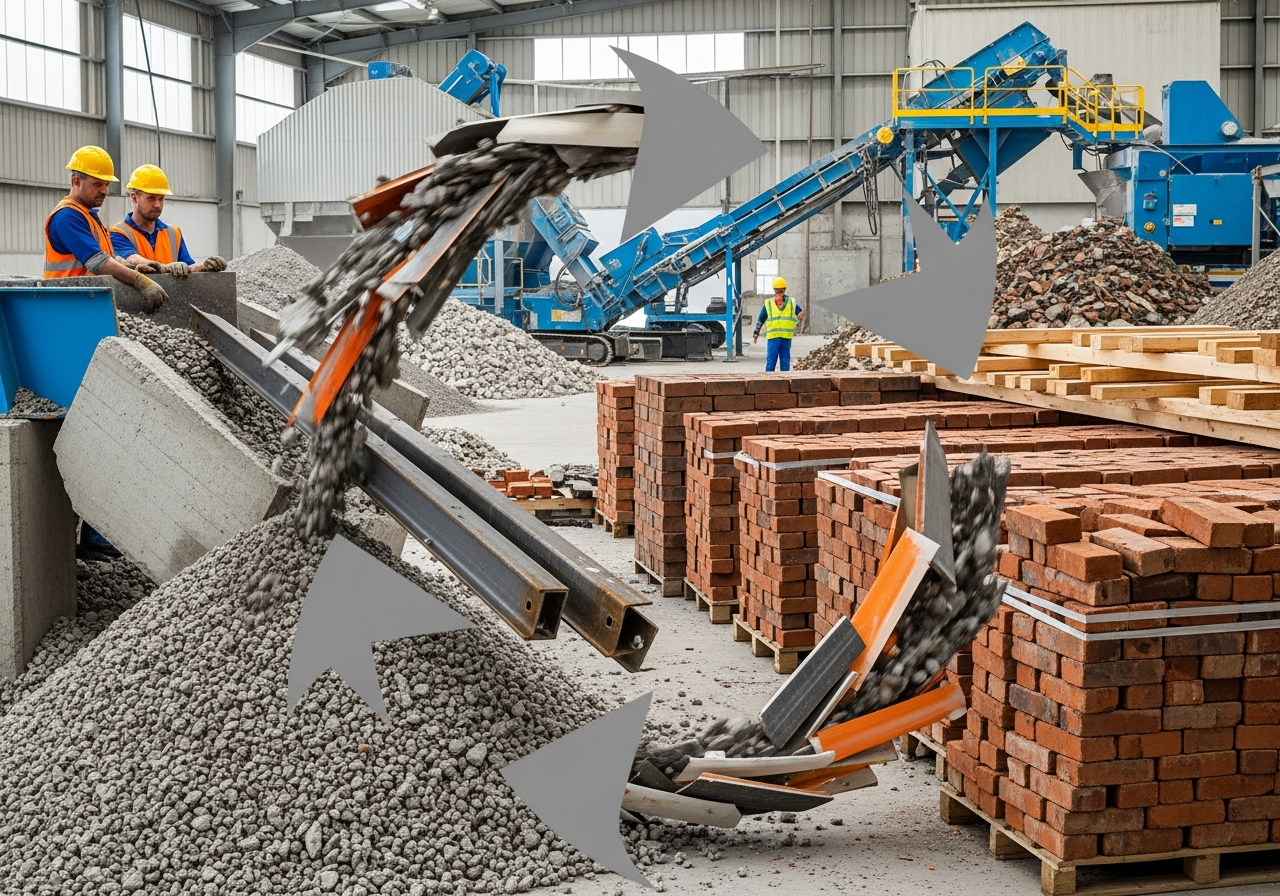
Transforming waste into valuable resources through recycling and recovery
The nature of DSM’s core work of demolition, decommissioning and remediation, inevitably produces “waste” materials. However, we’re committed to diverting these materials from landfill.
- •In 2018-2020, we produced 612,605 tonnes of waste materials
- •490,149 tonnes (80.0%) were processed into secondary aggregates
- •Materials that cannot be recycled (e.g. asbestos) are disposed of in a controlled manner
Designing and executing works to eliminate or minimise adverse environmental impacts
DSM designs and carries out all works so as to eliminate or minimise any adverse environmental impacts.
- •Consider environmental performance of all plant and equipment
- •Monitor environmental performance across multiple fields
- •Train all staff to minimise environmental impact from their work tasks
- •Replace COSHH substances with safer non-hazardous alternatives wherever practicable
- •All wood and wood products purchased are FSC certified
Being a thoughtful and considerate neighbour to those who live and work close to our sites
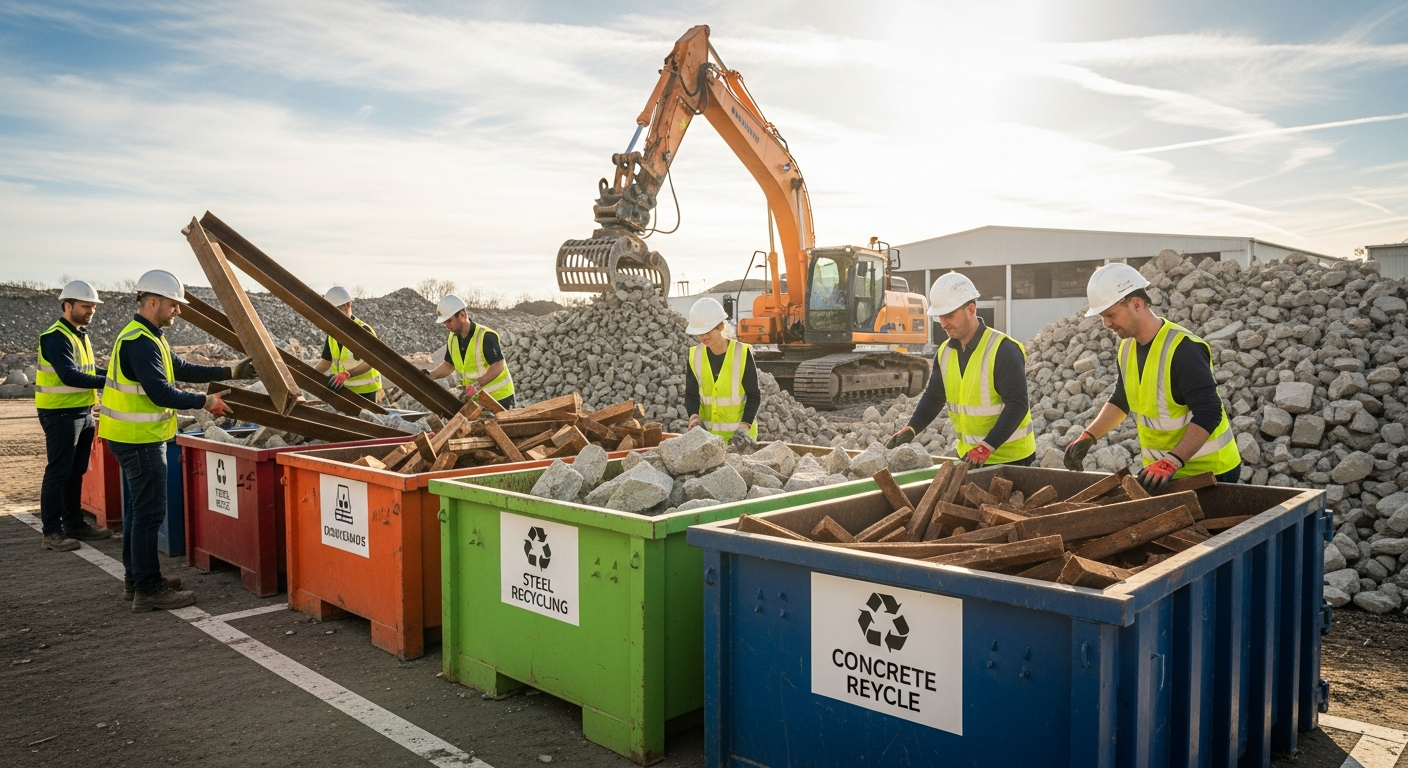
DSM recognises the importance of being a thoughtful and considerate neighbour to those who live and work close to our sites. We aim to support and improve the community around all of our sites.
Community Initiatives
- •Collected clothing from employees to be distributed through a charity running a soup kitchen
- •Collected and disposed of fly-tipped asbestos and lorry tyres for local residents
- •Commissioned murals on site hoarding to improve appearance for local residents
Cultural Awareness
We train our staff in understanding the culture and sensitivities of the diverse communities that surround our sites. We ensure that all members of the public are treated respectfully and courteously by our staff.